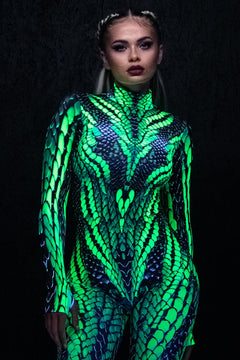
Clubwear Dresses for Women
Black High Slit Dress - Knee Length
Black Cut Out Maxi Dress
Black Hooded Slit Mini Dress
Hypno Dancer Mesh Handkerchief S...
Dissonance Mesh Handkerchief Str...
Psychaotic Mesh Handkerchief Str...
Black Cut Out Lace Mini Dress
Black Mesh Hooded Tunic Dress
Black Cut Out Mini Dress
White Cut Out Lace Mini Dress
White Hooded Slit Mini Dress
White High Slit Dress - Knee Length
White Mesh Hooded Tunic Dress
Sugar Rush Mesh Handkerchief Str...
Cotton Candy Mesh Handkerchief S...
Aqua Wave Mesh Hooded Tunic Dress
Screaming Ghost Dress
White Cut Out Maxi Dress
Trinity Cut Out Maxi Dress
Distorted Vision Cut Out Maxi Dress
Bubblegum Skater Dress
Heartbeat Skater Dress
Ecstatic Mood Skater Dress
Flameburst Cut Out Skater Dress
Witchy Skater Dress
Blue Eyes Cream Skater Dress
Red Dragon Cut Out Mini Dress
Spiritual Realm Cut Out Maxi Dress
Femme Fatale Strappy Cut Out Min...
Trippy Monochrome Cut Out Mini D...
Raving Diva Cut Out Mini Dress
Leopard Cut Out Maxi Dress
Clubwear Dresses for Women
Devil Walking's clubwear collection is built for the night out, not the costume rack. Each dress uses heat-set disperse dye-sublimation to bond the print into high-gauge polyester-elastane knit at a molecular level, so the color holds through sweat and movement instead of cracking like screen-printed club fabric. The four-way elastomeric stretch contours the body through dancefloor movement, and the knit density is calibrated per silhouette so the dress stays opaque under stage lighting and packed-club heat. The functional trade-off is deliberate: clubwear has to balance visual impact against heat management, so the fabric selection leans on hydrophobic moisture transfer and breathability in the non-compression zones rather than open skin exposure as the only cooling strategy. The result is a dress that reads as night out in silhouette and print, but performs like activewear under the lights.
How Clubwear Dresses Are Constructed
Clubwear construction has to solve a different problem than daywear. A going out dress gets worn in heat, in crowds, and through movement, so the seams and the fabric have to hold their shape through both. This collection uses a high-gauge compression knit through the bodice and waist, so the dress contours rather than hangs, and a slightly lighter knit through any skirt panel or sleeve so the garment does not feel heavy across a full night. Seams are placed away from high-friction points at the underarm and hip, so the dress does not pull or abrade during dancefloor movement. The print is applied after construction via disperse dye-sublimation, so the graphic carries continuously across seams rather than breaking at the join. The difference against cheap clubwear is visible in the wash cycle: sublimated knit holds contrast and shape, while surface-printed costume fabric fades and stretches out.
Clubwear vs. Bodycon vs. Skater vs. Rave: What Separates the Dress Collections
- Clubwear vs. bodycon dresses: The bodycon collection uses a continuous second-skin compression silhouette as its defining feature. The clubwear collection spans multiple silhouette types, including bodycon cuts, but is defined by the night out use case rather than a single fit. A bodycon dress can live in either collection; the clubwear page organizes the broader night out wardrobe, while the bodycon page is the fit specialist.
- Clubwear vs. skater dresses: The skater collection is defined by the flared full-circle silhouette, a fitted bodice, and a cinched waist. The clubwear collection includes flared cuts but does not require them. Skater dresses are a silhouette category; clubwear dresses are a use-case category.
- Clubwear vs. rave clothing: The rave collection is built around festival and electronic music event styling, including two-piece sets, bodysuits, and festival-specific motifs. The clubwear collection is built around night out and club venue styling, with a stronger lean toward dresses and bodycon silhouettes. The overlap is real, because a rave dress can be worn to a club and a clubwear dress can be worn to a rave, but the intent cluster is different.
- Clubwear vs. black dresses: The black collection is defined by the monochrome palette across multiple silhouettes. The clubwear collection is defined by the use case, and includes black and non-black pieces. A black clubwear dress would sit in both silos by category logic, and the pages should not compete for the same query. The black page owns the color intent; this page owns the night out intent.
If you want the second-skin fit specifically, the bodycon dresses are the fit specialist. If you want the flared cut, browse skater dresses. The clubwear collection is the use-case organizer for the full night out wardrobe.
Silhouettes in the Clubwear Collection
- Plus size clubwear dresses: the collection's largest sub-intent, with the same four-way stretch and dye-sublimated print base extended across the size range. The compression knit is calibrated at each size point rather than scaled from a straight-size block, so the fit contours at the plus range the same way it does at the straight range.
- Mini and micro clubwear dresses: short and micro length cuts for the night out, with a fitted bodice and a hem that stays put through movement. The knit weight through the hem is slightly heavier than the bodice, so the skirt does not ride up during dancefloor activity.
- Bodycon clubwear dresses: second-skin silhouettes in the clubwear fabric base, contoured through the waist and hip with the sublimated print carrying continuously across the body.
- Long sleeve clubwear dresses: sleeve-forward silhouettes for clubs and venues where a fuller sleeve reads as dressier, built in the same four-way stretch so the sleeve does not bind at the shoulder.
- Color-accent clubwear: pink, purple, and other saturated dye-sublimated prints, since color is the most common modifier on clubwear searches after size and length.
Every silhouette shares the same dye-sublimated knit base, so the print contrast and stretch behavior are consistent across the collection rather than varying piece to piece.
Ink Technology and Fabric Performance
The clubwear collection relies on three material mechanics working together. First, disperse dye-sublimation bonds the ink into the polyester fiber at high heat, which is why the print survives wash cycles and sweat that would fade a surface print. Second, the high-gauge knit density is calibrated per silhouette, so a mini dress stays opaque under stretch without becoming rigid, and a plus size dress contours at the same compression level as a straight size. Third, the elastane content gives four-way stretch that recovers its shape after movement, so the dress does not bag at the waist or sag at the hem across a full night out. This is a pure dye-sublimated print collection, so the care routine is about protecting the knit's stretch memory rather than the ink, which means no dryer heat and no bleach.
Styling a Clubwear Dress for the Night Out
- Footwear: heeled boots and platform shoes both work with mini and micro cuts, since the shorter hem lifts the vertical line. For midi lengths, a pointed heel extends the line while a combat boot grounds the silhouette. Match the shoe weight to the dress weight; a heavy boot under a light knit reads off.
- Layering: a cropped moto jacket or a sheer long-sleeve top over a clubwear dress adds edge and coverage without flattening the silhouette. For venues with a dressier read, a structured blazer over a bodycon clubwear dress moves the look from club to dinner without changing the base.
- Accessories: a waist belt over a bodycon or mini cut adds definition at the natural waist. Statement earrings and a small structured bag carry the dressier end of the range. For a sexier read, a harness or body chain over a mini clubwear dress works without needing to remove layers.
- Classy to sexy spectrum: the same dress can read classy with a blazer, minimal jewelry, and heels, or sexy with a harness, statement earrings, and a platform boot. The collection is designed to flex across that range rather than lock into one tonal register.
Clubwear styling is about the read of the outfit in the venue, so the dress carries the silhouette and the accessories set the tone.
Thermal Management & Moisture Control
Clubwear has a heat problem that daywear does not. Packed venues, stage lighting, and sustained movement combine into a thermal load, and a dress that looks good but traps heat becomes unwearable after an hour. The clubwear collection uses hydrophobic polyester yarns that pull sweat away from the epidermis and move it to the fabric surface for rapid evaporation. The high-gauge knit is breathable in the non-compression zones, so the dress does not trap heat the way a low-gauge costume knit would. Combined with the four-way stretch and the per-silhouette knit calibration, the pieces stay comfortable through extended club and night out sessions. This is the practical reason the collection is built on performance knit rather than costume polyester, and it is why the same dresses work across a full night rather than a photo window.
Clubwear Dress Common Questions
See what our customers ask us!
What are clubwear dresses?
Clubwear dresses are dresses designed for night out and club venue styling, spanning multiple silhouette types from bodycon to mini to flared, with a shared emphasis on visual impact under low lighting and performance under heat. In this collection, clubwear dresses are built in four-way stretch dye-sublimated knit, with the print bonded into the fiber rather than applied on top, so the color holds through sweat and repeated washes.
Are plus size clubwear dresses in this collection actually cut for plus size, or scaled up?
They are cut for plus size. The compression knit is calibrated at each size point rather than scaled from a straight-size block, so the fit contours at the plus range the same way it does at the straight range. The dye-sublimated print base and the four-way stretch behavior are the same across the size range, so a plus size clubwear dress in this collection is the same garment construction as a straight size, not a different fabric.
What is the difference between clubwear and rave clothing?
Clubwear is organized around night out and club venue styling, with a stronger lean toward dresses and bodycon silhouettes. Rave clothing is organized around festival and electronic music event styling, with two-piece sets, bodysuits, and festival-specific motifs as core categories. The overlap is real, and many pieces work across both, but the search intent and styling context are different. If you want the festival-specific silhouettes, browse the rave clothing collection.
Will the print crack or fade on a clubwear dress?
No. The pattern is heat-set via disperse dye-sublimation, which bonds the ink into the polyester-elastane fiber at a molecular level. There is no surface layer to crack, peel, or flake, and the print holds through repeated cold washes. The care routine matters because there is print surface across the dress: cold wash inside out, line dry, no bleach and no dryer. The heat of a dryer weakens the elastane recovery, which is what the dress depends on for its contour, so line drying matters more than it does for a non-stretch garment.
What should I wear under a clubwear dress?
Because the high-gauge knit is fully opaque, a seamless nude thong or brief is sufficient under bodycon and mini clubwear dresses. For mini and micro lengths, a pair of short compression shorts under the dress prevents accidental exposure during dancefloor movement without adding bulk. No shaping layer is needed, since the four-way stretch already contours the body.
How do I care for a clubwear dress?
Cold wash inside out on a gentle cycle, line dry, no bleach and no dryer. The heat of a dryer weakens the elastane recovery, which is what keeps the dress contouring rather than bagging at the waist. Air drying preserves the four-way stretch and the print contrast. The sublimated print itself will not fade from washing, so the care routine is about protecting the knit's stretch memory, which matters most on bodycon and mini silhouettes where the compression does the work.
How do I choose the right size in a clubwear dress?
Size by vertical torso length and hip circumference first, not by standard dress size. The compression knit is calibrated to contour, so a dress that is too short will pull at the crotch and stress the shoulder seams, while one that is too long will bunch at the waist and break the print alignment. If your torso length falls between two sizes, size up on mini and bodycon cuts to protect seam integrity and hem placement. Hip-priority sizing matters most on bodycon and mini silhouettes, since the knit has limited cross-grain give at the hip seam. When in doubt, match your torso length to the chart's vertical measurement rather than your bust or waist.
Sizing & Fit for Clubwear Dresses
Clubwear dresses are cut to contour, so the fit decision is structural rather than cosmetic. Prioritize vertical torso length first, because a dress that is too short will pull at the crotch and stress the shoulder seams, while one that is too long will bunch at the waist and break the print alignment. Prioritize hip circumference second on bodycon and mini cuts, since the high-gauge knit has limited cross-grain give at the hip seam. As a rule: between sizes on mini and bodycon styles, size up to protect seam integrity and hem placement, since the four-way elastane will still contour without gapping. Between sizes on looser or flared cuts, size down because the knit is engineered to expand and recover. When in doubt, match your torso length to the chart's vertical measurement rather than your bust or waist, and the silhouette will sit where it is designed to sit.