Wear a pashmina at a rave in several versatile ways. Drape it over your shoulders for a classic shawl look or pull it over your head to create a hood. You can also wrap it around your neck as a cozy scarf. For another style, tie it around your waist as a skirt or sarong.
A pashmina is one of the most useful pieces of gear you can bring to a festival. It is lightweight, easy to pack, and adaptable enough to work as sun protection, a warmth layer, a dust barrier, a seat cover, or an emergency carry pouch.
This guide is based on practical festival use: long days outside, changing temperatures, dusty walkways, packed crowds, and late-night walks back to camp. The goal is simple: help you choose, wear, secure, and use a pashmina in ways that actually work at an event.

@malibu.starshine wearing the Electric Blue Booty Shorts Set
Why Festival-Goers Wear Pashminas
Pashminas are popular at raves and festivals because one item can solve several common problems.
During the day, a light pashmina can help keep direct sun off your shoulders, neck, and head. At dusty venues, it can be pulled loosely over your nose and mouth as a basic barrier. At night, it becomes a warmth layer when temperatures drop. In crowded or overstimulating environments, wearing it as a hood can also create a small sense of personal space.
A good festival pashmina should be:
-
Lightweight enough to carry all day
-
Large enough to wrap around your shoulders or head
-
Breathable enough for warm weather
-
Soft enough to wear against your skin
-
Easy to tie, fold, and secure
It is not a replacement for sunscreen, a proper mask, shade, hydration, or warm clothing when conditions are extreme. Think of it as a flexible support item, not your only protection.
Quick Safety Notes Before You Wear It
A pashmina is useful, but it needs to be worn safely.
Keep loose fabric away from anything hot, including camp stoves, heaters, candles, cigarettes, and pyrotechnic areas. If you are in a dense crowd, avoid long trailing ends that could snag on bags, railings, fences, or other people. When dancing, use a secure tie or attachment point rather than relying on a loose shoulder drape.
If you use a damp pashmina to cool down, treat it as temporary relief. Move to shade, drink water, and get help if you or someone nearby feels faint, confused, nauseated, unusually weak, or stops sweating in extreme heat.
The Best Ways to Wear a Pashmina at a Festival
1. The Classic Shoulder Drape
The classic drape is the easiest way to wear a pashmina.
Open it fully and place it across your shoulders, letting both ends hang down evenly in front. Wear it loose when you want airflow, or pull it tighter around your shoulders when the temperature drops.
Best for:
-
Walking between stages
-
Sitting at camp
-
Mild evening chill
-
Quick on-and-off use
This style is comfortable, but it is not secure. If you are heading into a packed crowd or planning to dance, tie it or anchor it first.
2. The Hood
Fold the pashmina lengthwise once, then place the folded edge over the top of your head. Let the ends fall in front of your shoulders.
For more security, cross the two ends under your chin and tuck them into your shirt, jacket, hydration-pack straps, or fanny-pack strap. You can also tie the ends loosely at your chest.
Best for:
-
Sun exposure
-
Wind
-
Light dust
-
Creating a small personal bubble in a crowd
Keep the fabric loose enough that you can breathe comfortably and see clearly.
3. The Scarf or Cowl
Gather the pashmina lengthwise and wrap it around your neck once or twice. Tuck the ends into the wrap so they do not swing around while you move.
Best for:
-
Cold nights
-
Late walks back to camp
-
Keeping your hands and arms free
-
Wearing under a jacket or hoodie
This is one of the most practical all-day styles because it stays out of the way.
4. The Secure Cape
Start with the pashmina draped across your back. Bring the two top corners forward over your shoulders and tie them together at your upper chest with a secure double knot.
The result is a cape that covers your shoulders and back while leaving your arms free.
Best for:
-
Dancing
-
Cold evening sets
-
Keeping the pashmina from slipping off
-
Wearing over a tank top or light shirt
Tie the knot high enough that the cape stays in place, but not so tight that it pulls on your neck.
5. The Belted Shawl
Drape the pashmina over your shoulders, then fasten a belt, fanny pack, or hydration-pack waist strap over it at your waist.
This locks the fabric in place and turns the pashmina into a structured layer.
Best for:
-
Windy conditions
-
Colder festivals
-
Hands-free movement
-
Outfits where you want the pashmina to look intentional
This is also a good option when you want warmth without constantly adjusting the fabric.
Turning a Pashmina into Clothing
A large pashmina can work as an emergency or hot-weather clothing layer. Practice these before the festival so you know the knots hold securely.

@courtneyaugust__ wearing the Lotus Leaf Booty Shorts Set
Halter-Style Top
Fold the pashmina into a large triangle. Tie the two far corners of the long edge behind your neck. Pull the lower point down across your torso, then wrap the remaining fabric around your waist and tie it at your back.
Use secure knots, check coverage before entering a crowd, and consider wearing a base layer underneath.
Best for:
-
Hot weather
-
Camp outfits
-
Backup coverage
-
Pool or water-area events
Sarong-Style Skirt
Fold the pashmina in half lengthwise for more coverage. Hold it behind your waist, bring the top corners forward, and tie them in a double knot at one hip.
Best for:
-
A quick cover-up
-
Walking around camp
-
Layering over shorts or swimwear
-
Carrying the pashmina when you do not need it on your shoulders
Layered Hip Scarf
Fold the pashmina into a triangle. Gather the long edge into a band and tie it around your waist so the point hangs down to one side.
Best for:
-
Dancing
-
Adding movement to an outfit
-
Keeping the pashmina accessible
-
Lightweight styling in warm weather
This style is more decorative than protective, but it keeps the pashmina easy to grab when the weather changes.
Head Wrap
Place the long edge of the pashmina across your forehead. Wrap the rest over the top of your head toward the back. Cross the ends at the nape of your neck, bring them forward, and tie or tuck them securely.
Best for:
-
Dusty venues
-
Managing long hair
-
Strong sun
-
Windy conditions
Make sure the wrap does not block your peripheral vision or feel too tight after several minutes of wear.
How to Carry a Pashmina When You Are Not Wearing It
The easiest way to lose a pashmina is to carry it loosely. Use one of these methods instead.
Tie It to a Belt Loop
Fold one corner into a small loop, pass the loop through your belt loop, then pull part of the pashmina through the loop so it tightens on itself. This is commonly known as a larks head-style attachment.
Best for:
-
Walking between stages
-
Keeping the pashmina within reach
-
Avoiding loose shoulder drapes
Check the knot occasionally, especially after dancing or sitting down.
Clip It to a Bag
Tie one corner of the pashmina to a small accessory carabiner, then clip it to your hydration pack, backpack, or fanny pack.
Use a lightweight accessory carabiner only. Do not confuse it with climbing-rated safety equipment.
Best for:
-
Hydration-pack users
-
Long festival days
-
Keeping your hands free
-
Quick access
Lock It Under a Fanny-Pack Strap
Fold the pashmina into a long band and place it against your waist. Buckle your fanny pack over the fold so the strap holds it in place.
Best for:
-
Crowds
-
Dancing
-
Preventing loss
-
Keeping your outfit streamlined
This is one of the most secure ways to carry a pashmina without needing extra hardware.
Other Practical Uses for a Festival Pashmina
A pashmina is not just clothing. It can help with several small festival problems.

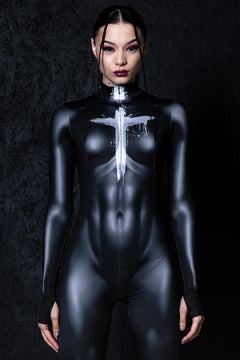
@madelinemiller1 wearing the Black Cut Out Jumpsuit
Ground Cover
Fold it once or twice and use it as a cleaner surface for sitting on grass, dirt, or a camp chair. It will not replace a waterproof blanket, but it is better than sitting directly on the ground.
Light Shade
Hold it above your shoulders or head for short-term shade while waiting in line or standing between sets. For camp shade, use proper shade structures whenever possible.
Cooling Cloth
Wet the pashmina with clean water, wring it out lightly, and drape it around your neck or over your shoulders. This can feel especially helpful in dry heat or when standing in the sun.
Do not rely on this alone in extreme heat. Take breaks, find shade, and stay hydrated.
Simple Carry Pouch
Place small, lightweight items in the center, bring the corners together, and tie them to create a temporary pouch. This works for soft items like a shirt or merch, but it is not secure enough for valuables.
Keep your phone, wallet, ID, and keys in zipped or fastened pockets instead.
Choosing the Right Festival Pashmina
Most festival “pashminas” are not traditional cashmere pashminas. That is usually a good thing. Expensive delicate fabric is not ideal for dust, sweat, rain, and crowded festival conditions.
Here are the most common materials.
Viscose or Rayon
Viscose and rayon are common choices for festival pashminas because they are soft, lightweight, and breathable. They also hold bright prints well.
Best for:
-
Hot weather
-
Daytime wear
-
Soft draping
-
Colorful designs
Limitations:
-
Usually only moderately warm
-
Can wrinkle
-
May need gentle washing
Cotton Blends
Cotton blends are soft and absorbent. They can feel good against the skin and work well when dampened for cooling.
Best for:
-
Casual camp use
-
Cooling cloths
-
People who prefer natural-feeling fabric
Limitations:
-
Can get heavy when wet
-
May dry slowly
-
May hold dust and sweat more than smoother fabrics
Silk Blends
Silk blends can be light, strong, and comfortable, with a smoother feel and more polished look.
Best for:
-
Premium outfits
-
Lightweight layering
-
People who want a softer, dressier fabric
Limitations:
-
More delicate
-
Usually more expensive
-
Less ideal for rough festival conditions
Acrylic or Polyester
Synthetic pashminas are durable, affordable, and often printed with bright patterns.
Best for:
-
Cold nights
-
Durable costume pieces
-
Budget-friendly options
Limitations:
-
Can feel less breathable
-
May trap heat in hot weather
-
Can feel less soft than viscose or cotton blends
Color and Pattern Tips
Color matters more than most people think.
Light colors can feel cooler in direct sun because they reflect more light. Dark colors can feel warmer and may be better for nighttime outfits. Bright, high-contrast patterns can also make it easier for friends to spot you in a crowd.
Choose a design you actually like, but consider the setting. For hot daytime festivals, lighter colors and breathable fabric are usually more comfortable. For cold evening events, darker or heavier options may work better.

@sumxxr wearing the Lotus Leaf Bodysuit
Quick Comparison Table
|
Style |
Main Use |
Best Situation |
Security |
|
Classic drape |
Light warmth and easy removal |
Walking, relaxing, mild chill |
Low |
|
Hood |
Sun, wind, light dust, personal space |
Daytime sets and crowded areas |
Medium if tucked |
|
Scarf or cowl |
Neck warmth and hands-free wear |
Cold nights and long walks |
High |
|
Secure cape |
Back and shoulder coverage |
Dancing and evening sets |
High |
|
Belted shawl |
Locked-in warmth layer |
Windy or cold conditions |
High |
|
Halter-style top |
Emergency or hot-weather clothing |
Camp, warm weather, outfit change |
Medium |
|
Sarong skirt |
Cover-up and carry method |
Camp, warm weather, downtime |
Medium |
|
Head wrap |
Sun, wind, dust, hair control |
Desert, farm, or dusty venues |
High if tied well |
Festival Pashmina Checklist
Before you leave for the event, check that your pashmina is:
-
Large enough to wrap around your shoulders
-
Comfortable against your skin
-
Breathable enough for the expected weather
-
Easy to tie securely
-
Not so delicate that you will worry about dirt or damage
-
Washed or aired out before wearing
-
Easy to identify as yours
-
Compatible with your bag, belt loop, or fanny pack for secure carrying
It is also smart to bring one or two safety pins or a small accessory carabiner so you have an easy way to anchor it.
Typical Questions
Typical questions we get asked.
How do I wear a pashmina in a heavy crowd without losing it?
Do not rely on a loose drape. Tie it as a cape, wrap it as a scarf, secure it under a fanny-pack strap, or attach one corner to your bag or belt loop. The more crowded the area, the more secure the attachment should be.
What is the best way to wear a pashmina when it is hot?
Use it for shade, not insulation. Wear it as a loose hood, light shoulder cover, or damp cooling cloth around your neck. Choose a breathable fabric such as viscose or a light cotton blend, and avoid heavy synthetic fabrics in direct heat.
What is the best way to wear a pashmina when it is cold?
Wrap it around your neck as a scarf or cowl, wear it as a cape, or layer it under a jacket. Keeping your neck and upper chest covered usually makes the biggest difference.
Can I use a pashmina as a dust mask?
A pashmina can act as a basic barrier against light dust, but it is not the same as a fitted protective mask. For very dusty conditions, consider bringing a proper mask or bandana designed for that purpose.
How do I stop my pashmina from slipping off while dancing?
Use a secure cape knot, tuck the ends into your outfit or bag straps, or belt the pashmina at your waist. Avoid smooth loose drapes if you plan to move a lot.
Final Advice
The best festival pashmina is the one you can actually use all day. Choose a fabric that fits the weather, practice two or three secure ways to wear it, and attach it to your gear when you are not using it.
A pashmina works because it is simple. It can keep the sun off your shoulders, soften a cold walk back to camp, give you a little personal space in a crowd, and save you from carrying several separate items. Treat it like practical gear, not just an accessory, and it will earn its place in your festival bag.