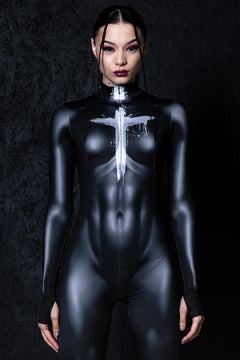
Shop Sleeveless Crop Tops and Bare Shoulder Styles
Sleeveless covers everything in our range without sleeves, which is most of it, so this collection is the place to compare cuts rather than a single style. The useful way to narrow it down is by how the top stays on: strapped, strapless, or neck-supported. That decision affects comfort, security and what you can wear underneath more than fabric or color does. Sizes run XS to XXL across spandex, mesh and velvet.
How to Choose a Sleeveless Cut
Three constructions, and the difference is where the weight goes.
Strapped: Weight on the shoulders. The most familiar and the easiest to wear, though thin straps can slip on sloped shoulders. Includes spaghetti strap tops for women and criss-cross styles.
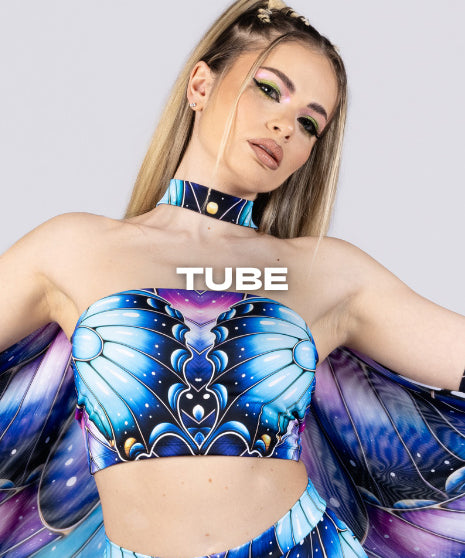
Strapless: Weight carried by band tension around the ribcage. Nothing on the shoulders at all, which is the freest to move in and the most fit-dependent. Covers tube tops and underboob tops for women.
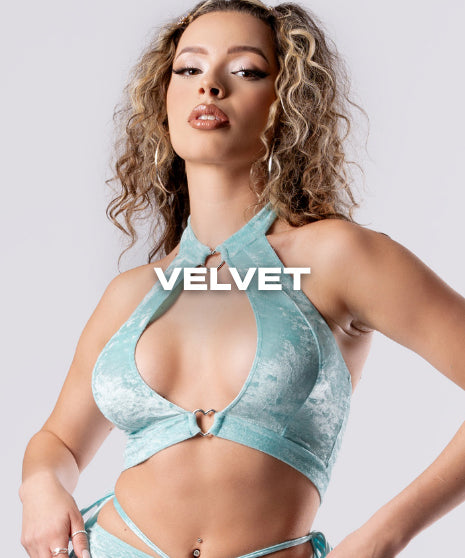
Neck-supported: Weight behind the neck, leaving shoulders and upper back completely bare. The most secure for sustained movement. See halterneck tops.
If straps falling down is your recurring problem, go neck-supported. If you want nothing touching your shoulders, go strapless and pay close attention to band fit. If you want the easiest option to wear all day without thinking about it, go strapped.
Sleeveless Styles We Stock
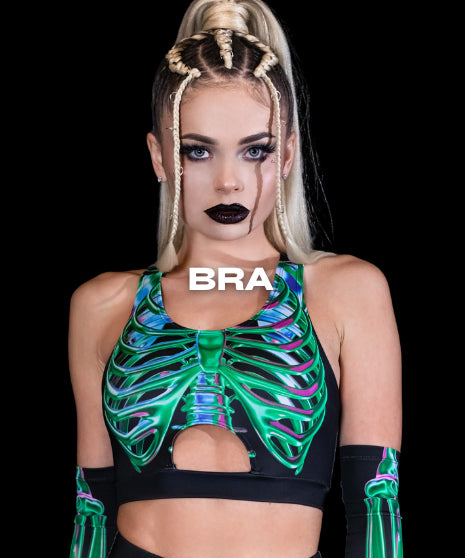
Bra top: Structured and minimal, usually with built-in support. See bra tops.
Triangle top: Triangle cups with straps or ties, clean-lined and minimal. More in triangle tops for women.
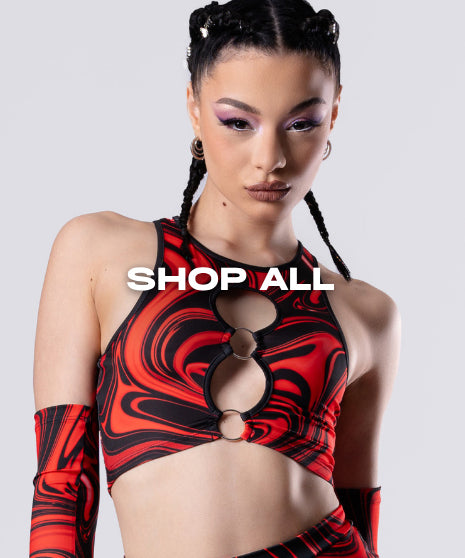
Cut-out: Openings across the chest, sides or back. See tops with cutouts.
Sleeveless turtleneck: High neck with bare arms, an unusual combination of coverage and exposure. More in turtleneck tops.
Buckle and hardware: Adjustable fastenings rather than pull-on fit. See buckle tops.
Is Sleeveless Actually Cooler?
Yes, and by more than the fabric saved would suggest. Your body sheds heat fastest where blood vessels run close to the surface, and the inner arms and armpits are among the most effective areas for that. Leaving them uncovered lets heat escape and lets sweat evaporate rather than being absorbed by fabric.
That's why a sleeveless top feels disproportionately cooler than a short-sleeve one, despite the difference being a few inches of fabric. In a packed indoor venue it's the single most effective cut change you can make for comfort.
The counterintuitive exception is strong sun. Bare arms mean direct exposure across a large area, so at a desert or daytime festival a lightweight long sleeve can keep you cooler by blocking radiant heat, provided the fabric breathes. Our long sleeve tops cover that alternative, and cold shoulder tops split the difference with arm coverage and shoulder venting.
Sleeveless and Sweat
Worth addressing directly, since it's the practical downside of bare arms and nobody writes about it.
Without sleeves there's no fabric absorbing underarm perspiration, so it's visible on your skin rather than hidden. Some people prefer that to a sweat mark on a sleeve; others don't. What it does mean is that antiperspirant matters more with this cut, and it's worth applying the night before rather than in the morning, since that's when it's most effective.
The other consideration is transfer. Deodorant, body oil and fake tan all end up on the inside edge of an armhole, which is the first place a light-colored sleeveless top discolors. Treat those marks before washing rather than after, since heat sets them permanently.
Tan Lines and Sun
Every sleeveless cut leaves a different tan line, which matters across a multi-day event. A thin strap leaves a narrow sharp line high on the shoulder. A halter leaves a single line at the back of the neck with bare shoulders. Strapless leaves nothing on the shoulders at all but a straight line across the chest.
If you're wearing different cuts across a weekend, those lines overlap and cross. Staying with one construction across a festival keeps it consistent. Either way, shoulders and the upper back burn quickly and are hard to reach when applying sunscreen yourself. Our festival tops and summer tops for women cover the warm weather range.
What Do You Wear Underneath?
It depends on the construction rather than the style name, which is why sorting by how a top stays on is more useful than sorting by cut.
Strapped styles: A convertible bra worn racerback keeps straps inside the top's line. A visible bralette works if it looks deliberate.
Strapless styles: Strapless or adhesive only, since anything else shows. Bear in mind a strapless bra puts a second band on your ribcage next to the top's.
Halter styles: Most convertible bras refasten into a halter configuration matching the neckline exactly.
Built-in support: Many bra tops and structured pieces are lined, so nothing extra is needed. Check the listing.
Fabric
Spandex blends: The base of the collection. Stretch matters most on strapless and strappy cuts, where grip does the holding. See spandex tops for women.
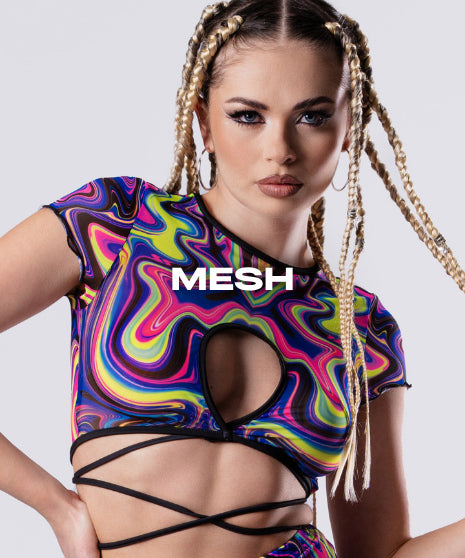
Mesh: The coolest option, and the most effective in a packed indoor room since airflow does more than reduced coverage alone.
Velvet: Heavier and warmer, better suited to cooler evenings. The nap grips skin, which helps on strapless cuts.
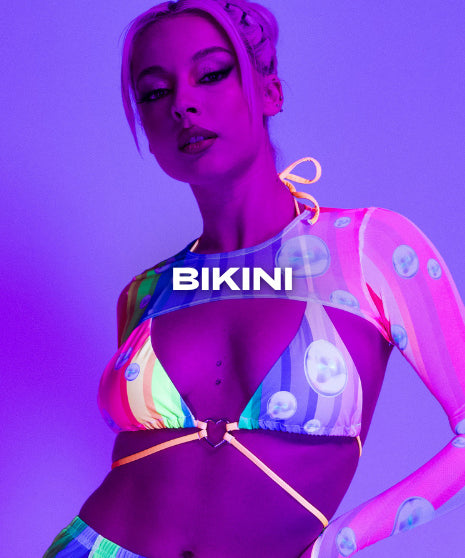
Polyester blends: Fast drying and the base for most bright and neon pieces. See polyester tops for women.
Armhole finish is worth checking on any sleeveless piece. A bound or elasticated edge holds its shape and sits flat, while a raw or lightly finished armhole can curl or stretch out with wear, and it's the detail that most affects how a top looks after a few months.
Colors and Prints
Sleeveless cuts have less surface area than sleeved ones, so print scale matters. Large designs get truncated and read as fragments, while smaller repeating patterns keep their identity. Our printed sleeveless tops cover the range, with swirled designs in trippy tops and animal patterns in animal print tops.
On solids, more exposed skin means bold colors read as a defined block rather than an expanse, so shades you'd find loud in a sleeved cut work comfortably here. Our pink tops for women and green tops for women both suit that, and black tops remains the most versatile.
Layering
Sleeveless is the most layerable category we stock, since there's no sleeve bulk under anything worn over it. A sleeveless top under an open shirt, a mesh layer or a cropped hoodie all work cleanly, and our hoodie crop tops are the standard layer for when temperatures drop at an outdoor event.
It also works as the outer layer over a long sleeve base, which gives arm coverage while keeping the strap detail visible. That's a common approach at cold festivals where you want the cut without the exposure.
Care
Armholes and straps are the failure points. Wash cold in a mesh bag so straps don't tangle or stretch, and never hang a strappy top to dry by its straps, since the weight of wet fabric stretches them permanently and unevenly. Dry flat.
Skip fabric softener on anything with stretch content, since it reduces the recovery that strapless and strappy cuts depend on. Skip the dryer on spandex blends. Treat underarm marks before washing rather than after, and turn prints inside out to reduce abrasion.
Where to Wear It
Warm venues and warm weather, primarily. Sleeveless handles heat better than any other category, so it dominates summer festivals, indoor club nights and rooftop events. Our rave tops for women cover pieces built for sustained movement and party tops for women the dressier end.
Halter necks, since the weight is carried behind the neck and there's nothing on the shoulders to slide off. Criss-cross and wrap styles are next, because they anchor at more than one point. Strapless cuts rely entirely on band grip, which works with the right fit but loosens as fabric warms and sweat reduces friction.
Are sleeveless tops cooler than short sleeves?
Noticeably, and by more than the fabric difference suggests. The inner arms and armpits are among the most effective areas your body uses to shed heat, so leaving them uncovered makes a disproportionate difference. The exception is strong direct sun, where bare arms mean more radiant heat and a light long sleeve can keep you cooler.
What bra do you wear with a sleeveless top?
It depends on how the top stays on. Strapped cuts suit a convertible bra worn racerback. Strapless cuts need a strapless or adhesive option. Halters work with a convertible refastened to tie at the neck. Many structured pieces are lined and need nothing underneath, so check the listing first.
Can you wear sleeveless tops in winter?
Yes, and they layer better than any other cut because there's no sleeve bulk under whatever goes over them. A sleeveless top under an open shirt, a mesh layer or a cropped hoodie works through colder months, and indoor venues stay warm year round regardless of the weather outside.
How do I stop my sleeveless top gaping at the armhole?
Usually a fit issue rather than a construction one. A top that's too large sits with the armhole too far out on the arm, so gaping is a sign to size down. On stretch fabrics the armhole should sit flat against the body, and a bound or elasticated edge holds its shape better than a raw hem.
Sizing
Sizes run XS to XXL. Which measurement matters depends on the construction: strapless and underboob cuts need your underbust, since the band sits on the ribcage, while strapped and halter styles are governed by bust. Check the size chart on each product page, and size down on strapless cuts if you're between sizes.